Ceramics is one of the oldest forms of art and craftsmanship in human history. Emerging from the meeting of earth and fire, this unique art form has been both a part of daily life and an important expression reflecting the aesthetic understanding of different cultures.
Ceramic culture represents a rich heritage that stretches from the past to the present. In particular, ceramic art in Turkey holds an important place in the world thanks to its deep-rooted history and strong artistic tradition. Antalya, one of the cultural centres of the Mediterranean, is among the cities where this heritage continues to live.
The Historical Journey of Ceramic Culture
Ceramic culture began to develop when humanity transitioned to a settled way of life. The earliest ceramic pieces appeared as simple containers and everyday household objects, but over time they gained aesthetic and artistic value. Shaped by the combination of earth, water and fire, ceramics has survived for thousands of years as an art form thanks to its durability and natural qualities.
The lands of Anatolia are among the most important regions where ceramic culture has flourished. Many civilisations, from the Hittites and Phrygians to the Romans and Byzantines, used ceramics both in daily life and in artistic production. For this reason, numerous ceramic artefacts have been uncovered in archaeological excavations throughout Anatolia. These works provide valuable insight into the lifestyle and artistic perspective of their time.
Ceramic Art in Turkey
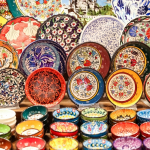
Ceramic art in Turkey experienced significant development particularly during the Seljuk and Ottoman periods. Seljuk artisans created remarkable works using geometric patterns and colourful decorations in ceramics. During the Ottoman era, Iznik and Kütahya ceramics gained worldwide recognition.
Iznik tiles are famous for their blue, turquoise and red colours and were widely used in palace architecture and mosque decorations. Kütahya ceramics, on the other hand, include a wide variety of objects ranging from everyday household items to decorative pieces. Today, these traditional production techniques continue to live on, merging with modern artistic approaches.
Today, ceramic art in Turkey continues to develop through both traditional craftsmanship and contemporary design perspectives. Art galleries, workshops and cultural events allow ceramics to remain an important field of expression for both artists and art enthusiasts.
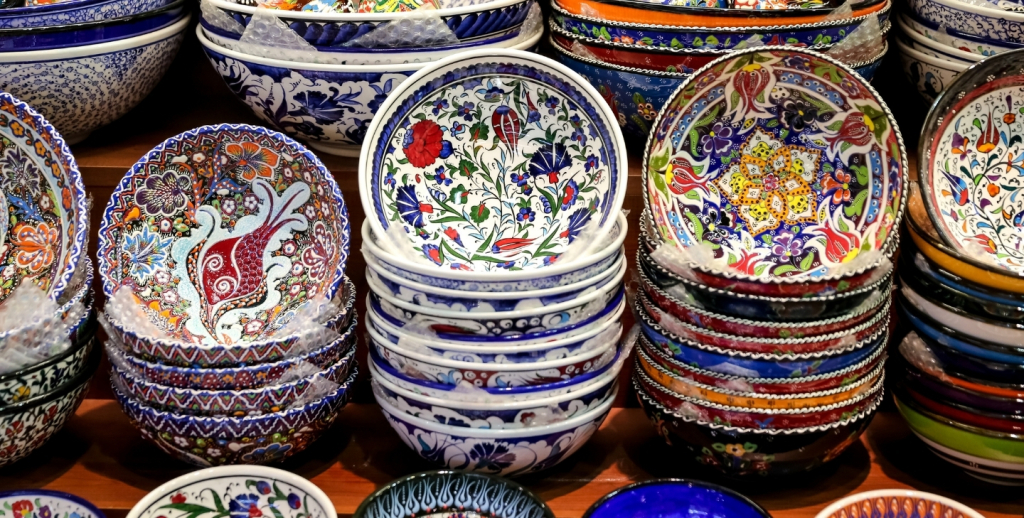
Antalya Ceramic Culture
Known as the jewel of the Mediterranean, Antalya attracts attention not only for its natural beauty but also for its rich cultural heritage. Antalya ceramic culture carries the traces of the civilisations that have lived in the region throughout history. Ceramic fragments from the Roman and Byzantine periods are frequently discovered during archaeological excavations in and around the city.
Museums and cultural centres in Antalya play an important role in introducing this heritage to visitors. At the same time, art events and workshops organised in the city contribute to keeping ceramic art alive through modern interpretations.
The warm Mediterranean atmosphere and nature-oriented lifestyle are also reflected in ceramic designs created in the region. Sea tones, warm sun-inspired colours and patterns inspired by nature are among the characteristic features of Antalya ceramic culture.
The Meeting of Kilikya Palace and Ceramic Art
One of the important destinations reflecting the cultural and artistic richness of Antalya is Kilikya Palace. The architectural details reflecting the region’s historical and cultural texture offer visitors not only a place to stay but also a unique cultural atmosphere.
In places such as Kilikya Palace, which reflect the spirit of the Mediterranean, it is possible to see traces of ceramic art. Ceramic works used in decorative objects and architectural details enhance the aesthetic value of the environment while allowing guests to experience Anatolia’s deep-rooted artistic tradition.
The warm and natural texture of ceramics creates an atmosphere that harmonises perfectly with Mediterranean architecture. For this reason, ceramic decorative elements are frequently seen in many hotels, restaurants and cultural venues throughout Antalya.
The Importance of Ceramic Art Today
Today, ceramics is not only a traditional craft but also an important part of modern design. Ceramic workshops and art centres host the creative works of a new generation of artists.
Especially in touristic cities, ceramics have become an important part of cultural experiences. Visitors can participate in ceramic workshops and learn about this art form first-hand. In this way, ceramic culture gains value not only as an art form but also as a cultural experience.
In cities such as Antalya, where tourism and culture are closely connected, ceramic art acts as a bridge between the past and the future.
Ceramics is one of the oldest forms of artistic expression where earth meets creativity. Ceramic culture is an important heritage that has been passed down to the present day from the deep-rooted past of Anatolia. Ceramic art in Turkey has formed a strong tradition that extends from the Seljuk and Ottoman periods to modern times.
Antalya, one of the cultural centres of the Mediterranean, is one of the important cities where this art continues to live. Antalya ceramic culture offers a unique atmosphere where history, nature and art come together. The reflections of this cultural richness can also be seen in special places such as Kilikya Palace.
While preserving its historical heritage, ceramic art continues to evolve with modern design approaches. For this reason, ceramics will remain an important art form that preserves its cultural and artistic value in the future as well.