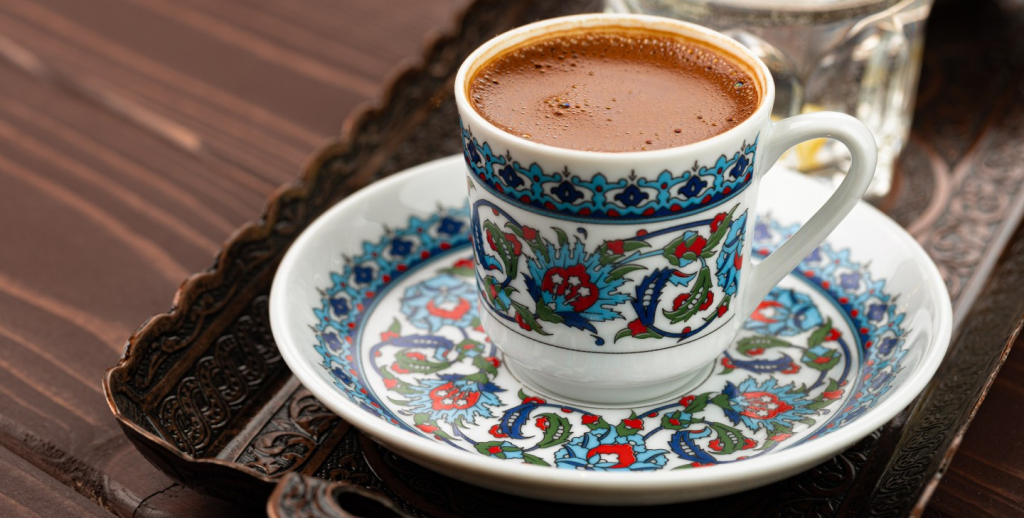
In Turkish culture, the table is not merely a place where food is eaten; it is one of the strongest symbols of sharing, togetherness and hospitality.
One of the most refined reflections of this deep-rooted tradition is sini culture, which represents an important dining custom that has been preserved across Anatolia for centuries. In Turkish traditions, sini tables have symbolised sincerity and equality by bringing family members and guests together around the same circle.
On the Mediterranean coast of Antalya, shaped by history and culture, you can experience this ancient tradition blended with modern comfort.
What Is Sini Culture?
Sini culture is a way of life centred around floor dining, based on sharing and eating together. A large tray, known as a sini, is placed at the centre of the table, and dishes are shared from it. This arrangement reflects an understanding in which everyone at the table is equal, and both food and conversation are shared.
In Turkish society, sini tables have been an essential part of many occasions—from weddings and religious festivals to large family gatherings and hosting special guests. At these tables, what matters as much as the food is the sense of peace and sincerity that comes from being together.
The Meaning of Sini Tables in Turkish Traditions
In Turkish traditions, sini tables are not set merely to satisfy hunger; they are set to unite hearts. Sitting at the same table means accepting to share, and eating from the same dish symbolises trust and closeness. For this reason, sini tables have left deep impressions in cultural memory.
In different regions of Anatolia, sini tables are enriched with local dishes, prayers and heartfelt conversations. Bringing together everyone from elders to children, these tables have become the most vivid carriers of values passed down from generation to generation.
Traditional Culture at Kilikya Palace
Carrying the traces of the historic Cilicia region, Kilikya Palace is not only an accommodation destination but also a special meeting point where cultural values are kept alive. The hotel’s culinary philosophy draws inspiration from the fertile lands of the Mediterranean while preserving the essence of Turkish traditions.
Thematic evenings and special presentations organised at Kilikya Palace are offered to guests with a modern interpretation. While traditional flavours are served in a sharing-oriented style, guests have the opportunity to experience the warm spirit of Turkish tables firsthand.
Flavours Served at Sini Tables
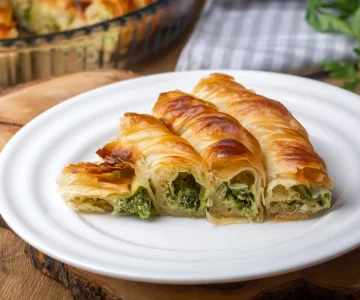
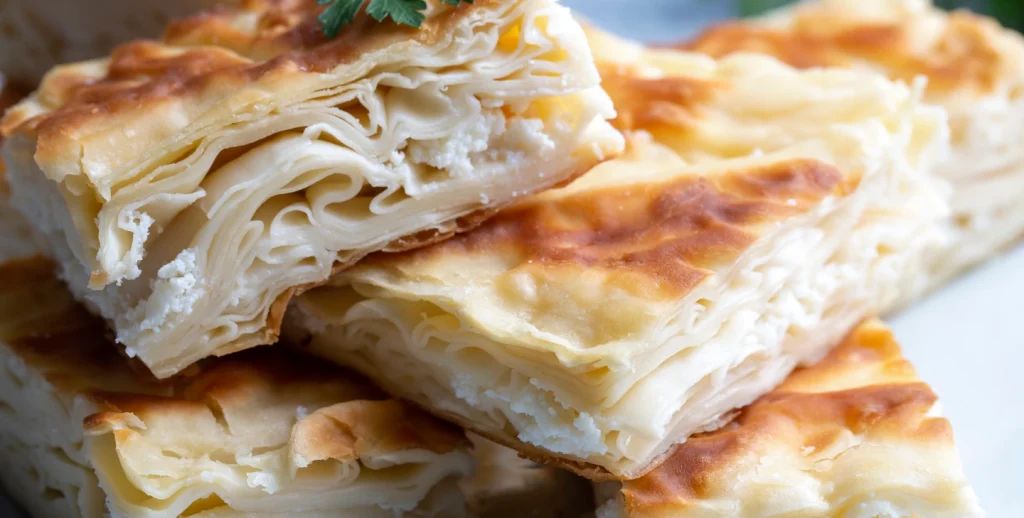
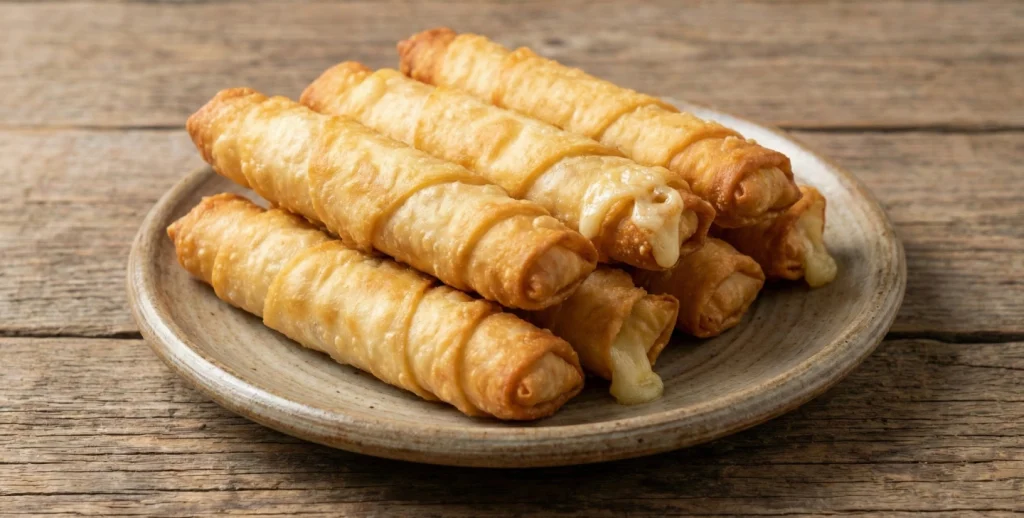
In Turkish traditions, sini tables are known for their rich and satisfying menus. Rice dishes, meat and vegetable stews, olive oil-based dishes, homemade yoghurt and fresh bread come together around the sini. The abundance of food on these tables is a reflection of the value placed on guests.
In the kitchen of Kilikya Palace, this philosophy is adapted to contemporary tastes. Dishes prepared with local and fresh ingredients remain faithful to traditional recipes while also offering an aesthetic experience through modern presentation techniques.
A Holiday Experience Intertwined with Culture
A holiday at Kilikya Palace is not limited to sea and sunshine alone. The hotel also offers activities and experiences that allow guests to discover Turkish culture up close. Experiences built around sini tables give guests the opportunity to form a meaningful connection between the past and the present.
This cultural approach makes the holiday especially meaningful for guests who wish to explore local values. Tables centred on sharing and togetherness become some of the most unforgettable moments of the stay.
The Timeless Journey of Sini Culture at Kilikya Palace
Sini culture and sini tables in Turkish traditions represent a philosophy of life that has endured for centuries. By blending this deep-rooted tradition with modern comfort, Kilikya Palace offers its guests not just a holiday, but a cultural journey.
In the history-filled atmosphere of the Mediterranean, sini tables—placed at the heart of sharing and sincerity—turn into a unique experience that stretches from the past to the present.