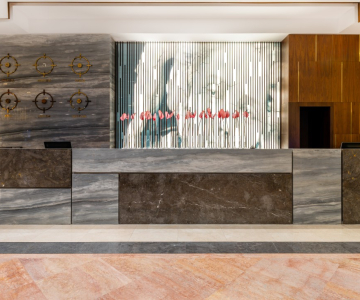
Ashure Tradition and Guest Satisfaction: The Most Meaningful Holiday Experience at Kilikya Palace
Overview » Culture » Ashure Tradition and Guest Satisfaction: The Most Meaningful Holiday Experience at Kilikya Palace
One of the most deeply rooted and meaningful desserts in Turkish cuisine, Ashure, is far more than just a sweet treat; it is a symbol of sharing, unity, and abundance. This centuries-old tradition represents a unique harmony created by bringing together different ingredients—just like an unforgettable holiday experience. One of the places where such harmony comes to life is Kilikya Palace, recognised among the highest-rated hotels based on guest reviews.
In this article, while exploring the rich world of Ashure—from its history to its varieties—you will also discover the exceptional experience offered by Kilikya Palace, one of the highest-rated hotels by guest reviews.
The History of Ashure: A Symbol of Abundance and Sharing
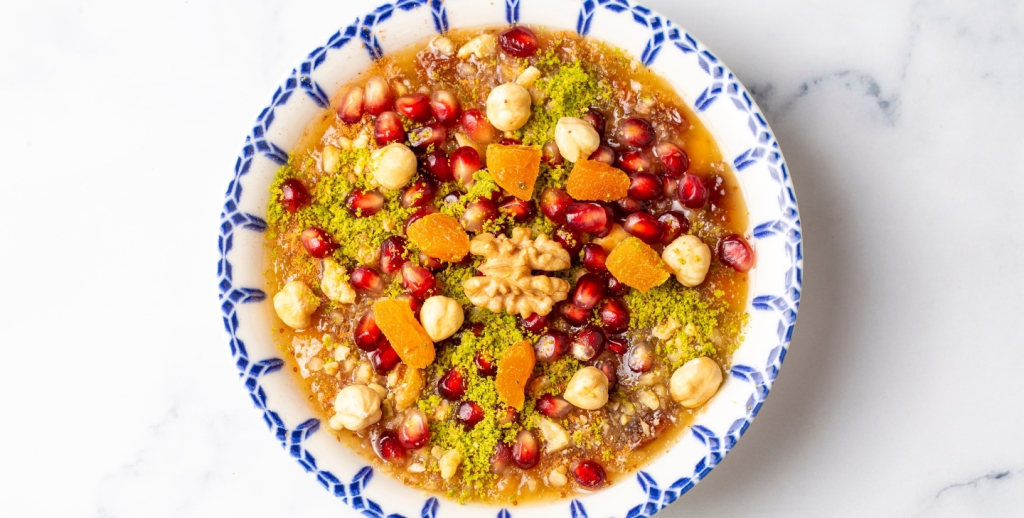
Ashure is a traditional dessert with origins dating back to ancient times, especially prepared during the month of Muharram. According to legend, it was created after Noah’s Ark landed, using the last remaining ingredients on board. For this reason, Ashure symbolises the harmony of diversity.
Made with wheat, chickpeas, beans, dried fruits, and a variety of nuts, Ashure is both nutritious and culturally significant. Its tradition of being shared with neighbours and loved ones strengthens social bonds and represents an important ritual of togetherness.
Ashure Varieties: From Tradition to Modern Interpretations
Ashure has evolved with regional touches, resulting in a variety of recipes that appeal to different tastes. In addition to the traditional version, modern interpretations have also gained popularity:
Classic Ashure: The most well-known recipe made with wheat, legumes, and dried fruits
Fruity Ashure: Enriched with fruits such as pomegranate, orange peel, and apple
Diet Ashure: Low-sugar or sugar-free alternatives
Vegan Ashure: Fully plant-based recipes without animal products
This diversity makes Ashure a universal dessert that caters to every palate.
Why Are the Highest-Rated Hotels by Guest Reviews Preferred?
When planning a holiday, one of the most important criteria for many travellers is the experience of previous guests. For this reason, highest-rated hotels based on guest reviews stand out in terms of reliability and quality.
These hotels offer high standards in service quality, cleanliness, comfort, gastronomy, and customer satisfaction. Positive guest feedback proves the consistency and trustworthiness of the experience they provide.
Kilikya Palace: Where Experience Meets Satisfaction
Kilikya Palace stands out as a distinguished holiday destination, successfully ranking among the highest-rated hotels based on guest reviews, thanks to its exceptional services and high level of guest satisfaction.
Surrounded by the unique beauty of the Mediterranean, this exclusive hotel offers an unforgettable experience with its seafront location, expansive social areas, and comfortable accommodation options.
Gastronomic Experience and Traditional Flavours
A stay at Kilikya Palace goes beyond comfort—it transforms into a culinary journey. Selected examples from Turkish and international cuisines are presented with the refined touch of professional chefs.
Especially on special occasions where traditional flavours meet modern presentations, culturally significant desserts like Ashure are served to guests, making the experience even more meaningful. In this way, guests not only enjoy a holiday but also embark on a cultural journey.
The Importance of Sharing and Tranquillity in a Holiday
The sense of sharing and togetherness symbolised by Ashure is, in fact, the foundation of a perfect holiday. Quality time spent with loved ones, the tranquillity of nature, and flawless service make your holiday truly unforgettable.
Kilikya Palace embraces this philosophy, offering not just accommodation but also an emotional experience. In an environment where every detail is thoughtfully planned, you will feel truly valued and special.
Where Tradition Meets Comfort
Just as Ashure is a unique dessert created through the harmony of different ingredients, a perfect holiday is formed by the coming together of many details.
Ranked among the highest-rated hotels based on guest reviews, Kilikya Palace is one of the finest examples of this harmony. By combining traditional values with modern comfort, this exceptional hotel allows you to relax both body and mind while creating unforgettable memories.
If you wish to treat yourself and your loved ones to a meaningful experience, a holiday at Kilikya Palace might be exactly what you are looking for.
Anatolia’s centuries-old culinary culture is so rich and deeply rooted that it leaves an unforgettable impression on the palate. One of the most beloved desserts of this culture is undoubtedly baklava. Baklava is not just a dessert; it is a multi-layered feast of flavours blended with history, geography, tradition and craftsmanship.
The Layered Flavours of History
The origins of baklava date back to ancient times. It has a history that spans from the walnut-filled pastries of Central Asian Turkic communities to the Seljuk palace kitchens and finally to the opulent tables of the Ottoman Empire. Especially during Ramadan at Topkapı Palace, it was presented to the sultan and the Janissaries in a special ceremony called the ‘Baklava Alayı,’ demonstrating that it is not just a dessert but also a tradition.
Regional Variations, Shared Flavour
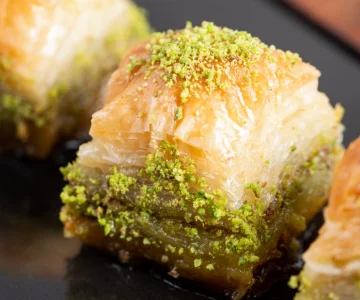
Although baklava shares the same name across regions, it varies in terms of ingredients, number of layers, cooking method, and filling. Gaziantep baklava is undoubtedly the most well-known and certified variety in Turkey. With its pistachio filling, 40 layers of thinly rolled phyllo dough, and generous use of butter, it is truly legendary. So much so that in 2013, it was certified with a geographical indication by the European Union, becoming Turkey’s first EU-certified product.
In the Black Sea region, walnut baklava takes centre stage. This type, typically made at home for special occasions, is known for its crispier texture. In the Aegean region, a variety called ‘şöbiyet,’ enriched with clotted cream, is preferred. In Diyarbakır, ‘sütlü nuriye’ is more popular, while in Hatay, more local varieties such as ‘bülbül yuvası’ or ‘dilber dudağı’ are in vogue. Each is shaped by the richness of the ingredients and taste preferences of its region.
The Most Popular Types of Baklava
When it comes to baklava in Turkey, the main types that come to mind are:
Pistachio Baklava: Especially famous for the Gaziantep style. The syrup, butter, and crispiness are perfectly balanced.
Walnut Baklava: This variety, common in many parts of Anatolia, offers a more intense aroma.
Saray Sarması: This variety features pistachios generously sprinkled between layers of phyllo dough, presented in a delicate and elegant manner.
Şöbiyet: This dessert contains clotted cream and has a softer texture.
Bülbül Yuvası: This type of baklava is round in shape, with pistachios or walnuts placed in the centre, and is visually appealing.
Sütlü Nuriye: This baklava, made with milk and a lighter syrup, has become increasingly popular on modern tables in recent years.
What to Drink with Baklava?
The drink served with baklava is also important to balance its rich and sweet texture. Traditionally, the most preferred drink is Turkish tea. Its slight bitterness creates a contrasting balance to the sweetness of baklava. Especially in Gaziantep, tea is almost an indispensable ritual when served with baklava.
Turkish coffee is also an ideal accompaniment, especially for those who enjoy heavy sweets. In modern settings, soda, ayran, or light herbal teas are also popular alternatives. In some local cafes, especially when serving kaymak-topped or milk-based baklava, cold milk is increasingly being served as a complimentary beverage.
The Sweet Legacy of Skill and Patience
Making baklava requires skill. Rolling out the phyllo dough thinly, sprinkling the filling in the right proportions, spreading the oil evenly on each layer, and pouring the syrup at the perfect moment… All these steps require patience and experience. Therefore, a good baklava is not just a product of the ingredients but also of the skill of the maker.
Today in Turkey, baklava is not only served during holidays but also plays a central role in a wide range of occasions, from weddings to gift boxes, from international tables to gourmet restaurants. This unique dessert has transcended its role as a cultural heritage from the past and has become the global ambassador of Turkish cuisine.
Breakfast is considered one of the first and most important meals of the day and is celebrated in unique ways in different cultures around the world. The breakfast culture of each country is a reflection of the local cuisine, climate and lifestyle. Breakfast, which has been a centuries-old eating and drinking culture, has changed with the changing times in every community.
After World War II, with the increase in the number of factory workers, the increasing urban population caused a change in breakfast culture. As a result of long working hours, the energy deficit to be taken daily has increased, so the varieties consumed at breakfast have also increased.
The importance of breakfast worldwide has increased day by day. People who have breakfast every day have both a healthy body and a pleasant social activity with their close environment.
Starting the Day with Energy: Breakfast fills the stomach after an overnight fast and boosts the body’s energy levels. It is especially important for providing the energy needed throughout the day after a long period without eating. A balanced breakfast helps maintain alertness and improve concentration.
Speeds Up Metabolism: Breakfast boosts metabolism, allowing the body to burn more calories throughout the day. Therefore, skipping breakfast is generally not recommended for a healthy lifestyle.
A Cultural Routine: Breakfast is seen as a social event in many cultures. It is common for families or friends to gather for long and enjoyable breakfasts, especially on weekends.
A well-planned breakfast contains protein, fibre, healthy fats and carbohydrates. These nutrients provide most of the vitamins and minerals the body needs. Eggs, whole grain products, dairy products, vegetables and fruits are indispensable parts of breakfast. Eating breakfast is one of the cornerstones of a healthy lifestyle. It helps to regulate blood sugar levels, increase the ability to focus and provide a feeling of satiety for a long time.
Turkey’s Secret to a Happy Start to the Day; Mixed (Serpme) Breakfast!
In the hustle and bustle of daily life, having a regular breakfast provides a sense of routine and security. Starting the day with a structured meal can lead to feeling better psychologically. Breakfast is seen as a way to begin the day positively. The taste of delicious foods, along with fresh coffee or tea, brings a sense of peace, positively affecting one’s mood. A slow and enjoyable breakfast helps people feel more content and at ease.
The term “kahvaltı” in Turkish, which means breakfast, originated during the Ottoman era. It was used to describe snacks consumed before drinking coffee in the morning, combining the words for coffee (“kahve”) and under/before (“altı”). Thus, “kahve altı” referred to “before coffee.”
Breakfast has been an integral part of Turkish cuisine for centuries, serving as an opportunity for families to start their day together. Across Turkey, certain staple ingredients form the basic foundation of breakfast, reflecting local traditions. Breakfast tables also provide an opportunity to showcase local products. Organic honey, homemade jams, local cheeses, and fresh bread are offered, promoting these goods and providing economic benefits.
In Turkey, the mixed style of breakfast is particularly popular. It is usually enjoyed over prolonged periods, especially on weekends, encouraging hospitality, sharing, and extended conversations.
The word “mixed” signifies the scattering or spreading of a wide variety of dishes across the breakfast table. This style of serving involves offering numerous small portions of different foods, allowing everyone to choose according to their taste preferences.
Generally, cheese types (white cheese, cheddar cheese, tulum cheese), olive types (black, green, spicy), fresh vegetables (tomato, cucumber, pepper), honey, clotted cream, jam types, butter, various delicatessen products (sucuk, pastrami) and eggs (Menemen, fried eggs, omelettes), pastries, bagels, pastries and fresh bread varieties are available. While the honey-cream duo is a very popular choice for dessert, chocolate paste or fruit jams are also frequently served.
Tea is an indispensable part of the mixed breakfast, served continuously in small, tulip-shaped glasses. When the tea runs out, a fresh pot is promptly brewed, facilitating prolonged sitting and chatting.
Mixed Breakfast is a social event where families, friends, or large groups gather to enjoy a leisurely time together. Especially during weekends and holidays, it becomes a long, conversation-filled affair. In rural areas or villages, such breakfasts offer distinct flavors through the use of natural products like village butter, homemade jams, village bread, and organic eggs.
Mixed Breakfast Shows Richness and Diversity According to Regions of Turkey!
Each region brings its own local products and cuisine to the breakfast table, which increases the richness of the mixed breakfast. Here are the characteristics of mixed breakfasts served in various regions of Turkey:
Aegean Region
Olives and Olive Oil: Indispensable for Aegean breakfasts are olive varieties and appetisers with olive oil. Green and black olives, olive oil flavoured with thyme, fresh vegetables such as tomatoes and cucumbers are always present on the table.
Herbed Cheeses and Herbs: Local tulum cheese and curd cheese, as well as the famous herbs of the Aegean region (radicchio, rocket, nettle) are on the breakfast table.
Homemade Jams and Honey: Homemade jams and honey also have an important place in Aegean cuisine. Especially jams made from fruits such as tangerines, figs and grapes are highly preferred.
Warm Aegean Bread and Bagels: Warm breads, bagels and buns with plenty of sesame seeds accompany breakfast.
Black Sea Region
Mıhlama (Kuymak): The most famous flavour of the Black Sea mixed breakfasts, mihlama is prepared with melted cheese, butter and corn flour. This dish, full of warm and stretching cheeses, is especially warming on cold days.
Butter and Cheese Types: Local butter, local cheese varieties such as minzi (cottage cheese) and kolot cheese are indispensable for breakfast.
Corn Bread and Fresh Pita: Corn bread is frequently included in Black Sea breakfasts. Warm pita bread is also served with it.
Roasting with Egg: Roasted meat mixed with egg is especially rich in protein.
Eastern Anatolia Region
Kavut and Tandır Bread: In Eastern Anatolia, foods made with roasted wheat flour called kavut and bread varieties baked in tandoor are frequently seen at breakfast.
Cheese Types: Special cheeses such as Erzincan tulum and Kars gruyere stand out on the table. These cheeses are very famous due to the cold climate and animal husbandry culture of the region.
Cream and Honey: Natural highland honey and homemade clotted cream are among the sweet flavours of breakfast in this region.
Pastrami and Sucuk: Breakfasts in this vast geography stretching from Erzurum to Kayseri are enriched with quality sausages and pastrami.
Southeastern Anatolia Region
Katmer and Pastry Types: Katmer, pancakes and various pastries stand out in Southeastern breakfasts. Especially antep katmer is prepared with clotted cream, pistachio and sherbet and served as a sweet breakfast.
Menengiç Coffee and Tea: Menengiç coffee, one of the special drinks of the region, is served with breakfast. Of course, tea is also a must.
Acuka and Zahter: Spicy and paste flavours such as acuka (a paste with walnuts and peppers) and zahter (a type of thyme) add a different taste to breakfast.
Cheese and Olive Varieties: Curd cheeses, tulum cheese and local olive varieties are frequently found in the mixed breakfasts of Southeastern Anatolia.
Mediterranean Region
Olive Varieties and Olive Oil: Thanks to the fertile soils of the Mediterranean, olive varieties and high quality olive oils are widely used for breakfast.
Greens and Fresh Vegetables: Fresh greens such as tomatoes, cucumbers, peppers, mint and parsley are a colourful and healthy part of the table.
Cheese Pies and Pancakes: Yufka bread, cheese pies and pancakes are frequently included in Mediterranean breakfast.
Citrus Jams: Jams made from citrus fruits such as orange, tangerine and lemon form the sweet side of breakfast.
Central Anatolia Region
Pastrami and Sucuk: Kayseri’s famous pastrami and sausage have an important place in the mixed breakfasts of Central Anatolia. It is usually served with egg.
Cream and Honey: Fresh clotted cream, natural honey and molasses varieties are frequently found on breakfast tables in this region.
Village Cheese and Tulum Cheese: Local cheese varieties are served with fresh bread and pita bread.
Bread Types: Local bread types such as phyllo bread, flatbread and tandoori bread stand out in Central Anatolian breakfasts.
Marmara Region
Delicatessen Products: Breakfast tables in Istanbul, Edirne and other Marmara provinces are usually full of delicatessen products. Varieties such as salami, sausage, bacon are frequently found.
Various Cheeses: Various cheeses such as feta cheese, cheddar cheese, cream cheese take place on breakfast tables in the Marmara region.
Fresh Bread and Bagels: Different types of bread such as Istanbul bagel, rye bread and baguette are also served on the tables.
Homemade Jams: Jam varieties from different regions of Marmara add flavour to the breakfast.
Mixed breakfast is a culture enriched with local flavours all around Turkey. Each region brings its own local products and traditions to these tables, making breakfast not only a meal but also a cultural experience.