Turkish Delight in Turkish Culture: On the Trail of a Sweet Heritage
Overview » Culture » Turkish Delight in Turkish Culture: On the Trail of a Sweet Heritage
Turkish delight continues to appeal to both the palate and the heart as one of the indispensable desserts of Turkish cuisine for centuries. It is not only a dessert, but also a symbol of hospitality, elegant treats and cultural heritage. Many aspects of Turkish delight, from what it is to its history, from its varieties to the best accompaniments with Turkish delight, are included in the rest of our article.
What is Turkish Delight?
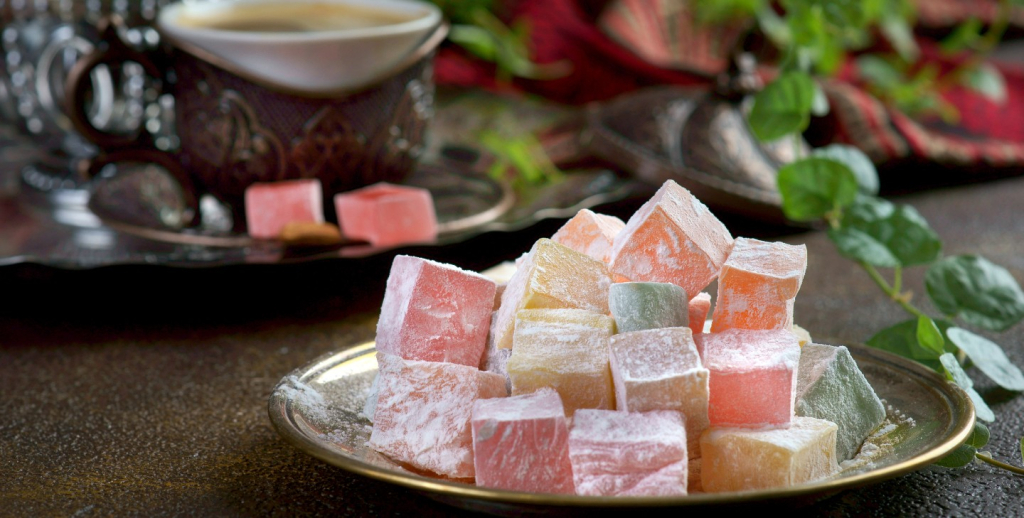
Lokum; It is a Turkish dessert prepared on the basis of sugar, water and starch, soft in consistency, pleasant to chew, and disintegrating in the mouth. This flavour, which has survived from the Ottoman period to the present day, has been enriched with many flavours such as pistachio, walnut, rose, lemon and mastic gum.
History of Turkish Delight
Although the origin of Turkish delight dates back to the 15th century, it was popularised in the 18th century. Lokum, which was frequently served in the palace kitchen during the reign of Abdülhamid II, attracted the attention of European travellers and became known worldwide under the name ‘Turkish Delight’. Turkish delight also plays an important role in Turkey’s cultural promotion.
How Does Turkish Delight Taste?
Although the taste of Turkish delight varies according to the ingredients and flavours used in its production, it is generally slightly sweet, aromatic and refreshing. Although it is sugary, it is not suffocating. When cooked in the right proportions, it has a soft, non-stick and easily chewable consistency.
Types of Turkish Delight
Turkish delight has flavours and ingredients that differ according to regions. Here are some of the most known Turkish delight varieties:
Turkish Delight with Roses: It stands out with its light aroma and pinkish colour.
Turkish Delight with Pistachio: It is a satisfying type with plenty of pistachios.
Turkish Delight with Walnut: It is preferred with its dense consistency and harmony with walnut.
Gumdrop Turkish Delight: It is especially common in the Aegean Region.
Cocoa Turkish Delight: It is a specially produced variety for chocolate lovers.
In Which Region is Turkish Delight Produced Mostly?
Although Turkish delight is produced in many regions of Turkey, Afyonkarahisar, Istanbul, Safranbolu and Osmaniye are especially famous for their Turkish delight. Afyon Turkish delight stands out with its soft texture and quality pistachios. Safranbolu Turkish delight has gained fame by receiving a geographical sign.
What goes well with Turkish Delight?
Turkish delight is usually served with Turkish coffee. Especially pistachio or rose Turkish delight served with black Turkish coffee creates a nice balance with the bitterness of coffee. It can also be served with tea, fruit juice or sherbet on special occasions. The fact that it is frequently served at festivals and weddings makes lokum a ‘celebration dessert’.
A Delicious Souvenir from Turkey: Turkish Delight
Every trip to Turkey is an experience full of colourful marketplaces, historical textures, warm hospitality and of course unforgettable tastes. One of the sweetest traces of this journey is undoubtedly lokum, which has been around for centuries.
Turkish delight is a culture packed in elegant boxes, a flavour that delights the palate and a memory that stays in the heart. While it appeals to every palate with its rose, pistachio, walnut or gumdrop varieties, its harmony with Turkish coffee makes it almost a tradition.
A few boxes of Turkish delight that you will throw in your bag on your way back home will not only be a dessert but also the best souvenir of a journey. This small gift you will take to your loved ones is a meaningful symbol reflecting the warmth, elegance and flavour culture of Turkey. Because each grain of Turkish delight carries the traces of the past, the elegance of today and the sweetness of friendships.
This traditional flavour, which dates back to the Ottoman Empire, also reflects the cultural richness of Turkey. Whether as a treat or as a gift, Turkish delight always leaves a pleasant taste in the mouth and a beautiful memory in the heart.
A sweet heritage is kept alive for generations. Turkish delight is the most delicious part of this heritage.
In Turkish culture, the table is not merely a place where food is eaten; it is one of the strongest symbols of sharing, togetherness and hospitality.
One of the most refined reflections of this deep-rooted tradition is sini culture, which represents an important dining custom that has been preserved across Anatolia for centuries. In Turkish traditions, sini tables have symbolised sincerity and equality by bringing family members and guests together around the same circle.
On the Mediterranean coast of Antalya, shaped by history and culture, you can experience this ancient tradition blended with modern comfort.
What Is Sini Culture?
Sini culture is a way of life centred around floor dining, based on sharing and eating together. A large tray, known as a sini, is placed at the centre of the table, and dishes are shared from it. This arrangement reflects an understanding in which everyone at the table is equal, and both food and conversation are shared.
In Turkish society, sini tables have been an essential part of many occasions—from weddings and religious festivals to large family gatherings and hosting special guests. At these tables, what matters as much as the food is the sense of peace and sincerity that comes from being together.
The Meaning of Sini Tables in Turkish Traditions
In Turkish traditions, sini tables are not set merely to satisfy hunger; they are set to unite hearts. Sitting at the same table means accepting to share, and eating from the same dish symbolises trust and closeness. For this reason, sini tables have left deep impressions in cultural memory.
In different regions of Anatolia, sini tables are enriched with local dishes, prayers and heartfelt conversations. Bringing together everyone from elders to children, these tables have become the most vivid carriers of values passed down from generation to generation.
Traditional Culture at Kilikya Palace
Carrying the traces of the historic Cilicia region, Kilikya Palace is not only an accommodation destination but also a special meeting point where cultural values are kept alive. The hotel’s culinary philosophy draws inspiration from the fertile lands of the Mediterranean while preserving the essence of Turkish traditions.
Thematic evenings and special presentations organised at Kilikya Palace are offered to guests with a modern interpretation. While traditional flavours are served in a sharing-oriented style, guests have the opportunity to experience the warm spirit of Turkish tables firsthand.
Flavours Served at Sini Tables
In Turkish traditions, sini tables are known for their rich and satisfying menus. Rice dishes, meat and vegetable stews, olive oil-based dishes, homemade yoghurt and fresh bread come together around the sini. The abundance of food on these tables is a reflection of the value placed on guests.
In the kitchen of Kilikya Palace, this philosophy is adapted to contemporary tastes. Dishes prepared with local and fresh ingredients remain faithful to traditional recipes while also offering an aesthetic experience through modern presentation techniques.
A Holiday Experience Intertwined with Culture
A holiday at Kilikya Palace is not limited to sea and sunshine alone. The hotel also offers activities and experiences that allow guests to discover Turkish culture up close. Experiences built around sini tables give guests the opportunity to form a meaningful connection between the past and the present.
This cultural approach makes the holiday especially meaningful for guests who wish to explore local values. Tables centred on sharing and togetherness become some of the most unforgettable moments of the stay.
The Timeless Journey of Sini Culture at Kilikya Palace
Sini culture and sini tables in Turkish traditions represent a philosophy of life that has endured for centuries. By blending this deep-rooted tradition with modern comfort, Kilikya Palace offers its guests not just a holiday, but a cultural journey.
In the history-filled atmosphere of the Mediterranean, sini tables—placed at the heart of sharing and sincerity—turn into a unique experience that stretches from the past to the present.
Breakfast is considered one of the first and most important meals of the day and is celebrated in unique ways in different cultures around the world. The breakfast culture of each country is a reflection of the local cuisine, climate and lifestyle. Breakfast, which has been a centuries-old eating and drinking culture, has changed with the changing times in every community.
After World War II, with the increase in the number of factory workers, the increasing urban population caused a change in breakfast culture. As a result of long working hours, the energy deficit to be taken daily has increased, so the varieties consumed at breakfast have also increased.
The importance of breakfast worldwide has increased day by day. People who have breakfast every day have both a healthy body and a pleasant social activity with their close environment.
Starting the Day with Energy: Breakfast fills the stomach after an overnight fast and boosts the body’s energy levels. It is especially important for providing the energy needed throughout the day after a long period without eating. A balanced breakfast helps maintain alertness and improve concentration.
Speeds Up Metabolism: Breakfast boosts metabolism, allowing the body to burn more calories throughout the day. Therefore, skipping breakfast is generally not recommended for a healthy lifestyle.
A Cultural Routine: Breakfast is seen as a social event in many cultures. It is common for families or friends to gather for long and enjoyable breakfasts, especially on weekends.
A well-planned breakfast contains protein, fibre, healthy fats and carbohydrates. These nutrients provide most of the vitamins and minerals the body needs. Eggs, whole grain products, dairy products, vegetables and fruits are indispensable parts of breakfast. Eating breakfast is one of the cornerstones of a healthy lifestyle. It helps to regulate blood sugar levels, increase the ability to focus and provide a feeling of satiety for a long time.
Turkey’s Secret to a Happy Start to the Day; Mixed (Serpme) Breakfast!
In the hustle and bustle of daily life, having a regular breakfast provides a sense of routine and security. Starting the day with a structured meal can lead to feeling better psychologically. Breakfast is seen as a way to begin the day positively. The taste of delicious foods, along with fresh coffee or tea, brings a sense of peace, positively affecting one’s mood. A slow and enjoyable breakfast helps people feel more content and at ease.
The term “kahvaltı” in Turkish, which means breakfast, originated during the Ottoman era. It was used to describe snacks consumed before drinking coffee in the morning, combining the words for coffee (“kahve”) and under/before (“altı”). Thus, “kahve altı” referred to “before coffee.”
Breakfast has been an integral part of Turkish cuisine for centuries, serving as an opportunity for families to start their day together. Across Turkey, certain staple ingredients form the basic foundation of breakfast, reflecting local traditions. Breakfast tables also provide an opportunity to showcase local products. Organic honey, homemade jams, local cheeses, and fresh bread are offered, promoting these goods and providing economic benefits.
In Turkey, the mixed style of breakfast is particularly popular. It is usually enjoyed over prolonged periods, especially on weekends, encouraging hospitality, sharing, and extended conversations.
The word “mixed” signifies the scattering or spreading of a wide variety of dishes across the breakfast table. This style of serving involves offering numerous small portions of different foods, allowing everyone to choose according to their taste preferences.
Generally, cheese types (white cheese, cheddar cheese, tulum cheese), olive types (black, green, spicy), fresh vegetables (tomato, cucumber, pepper), honey, clotted cream, jam types, butter, various delicatessen products (sucuk, pastrami) and eggs (Menemen, fried eggs, omelettes), pastries, bagels, pastries and fresh bread varieties are available. While the honey-cream duo is a very popular choice for dessert, chocolate paste or fruit jams are also frequently served.
Tea is an indispensable part of the mixed breakfast, served continuously in small, tulip-shaped glasses. When the tea runs out, a fresh pot is promptly brewed, facilitating prolonged sitting and chatting.
Mixed Breakfast is a social event where families, friends, or large groups gather to enjoy a leisurely time together. Especially during weekends and holidays, it becomes a long, conversation-filled affair. In rural areas or villages, such breakfasts offer distinct flavors through the use of natural products like village butter, homemade jams, village bread, and organic eggs.
Mixed Breakfast Shows Richness and Diversity According to Regions of Turkey!
Each region brings its own local products and cuisine to the breakfast table, which increases the richness of the mixed breakfast. Here are the characteristics of mixed breakfasts served in various regions of Turkey:
Aegean Region
Olives and Olive Oil: Indispensable for Aegean breakfasts are olive varieties and appetisers with olive oil. Green and black olives, olive oil flavoured with thyme, fresh vegetables such as tomatoes and cucumbers are always present on the table.
Herbed Cheeses and Herbs: Local tulum cheese and curd cheese, as well as the famous herbs of the Aegean region (radicchio, rocket, nettle) are on the breakfast table.
Homemade Jams and Honey: Homemade jams and honey also have an important place in Aegean cuisine. Especially jams made from fruits such as tangerines, figs and grapes are highly preferred.
Warm Aegean Bread and Bagels: Warm breads, bagels and buns with plenty of sesame seeds accompany breakfast.
Black Sea Region
Mıhlama (Kuymak): The most famous flavour of the Black Sea mixed breakfasts, mihlama is prepared with melted cheese, butter and corn flour. This dish, full of warm and stretching cheeses, is especially warming on cold days.
Butter and Cheese Types: Local butter, local cheese varieties such as minzi (cottage cheese) and kolot cheese are indispensable for breakfast.
Corn Bread and Fresh Pita: Corn bread is frequently included in Black Sea breakfasts. Warm pita bread is also served with it.
Roasting with Egg: Roasted meat mixed with egg is especially rich in protein.
Eastern Anatolia Region
Kavut and Tandır Bread: In Eastern Anatolia, foods made with roasted wheat flour called kavut and bread varieties baked in tandoor are frequently seen at breakfast.
Cheese Types: Special cheeses such as Erzincan tulum and Kars gruyere stand out on the table. These cheeses are very famous due to the cold climate and animal husbandry culture of the region.
Cream and Honey: Natural highland honey and homemade clotted cream are among the sweet flavours of breakfast in this region.
Pastrami and Sucuk: Breakfasts in this vast geography stretching from Erzurum to Kayseri are enriched with quality sausages and pastrami.
Southeastern Anatolia Region
Katmer and Pastry Types: Katmer, pancakes and various pastries stand out in Southeastern breakfasts. Especially antep katmer is prepared with clotted cream, pistachio and sherbet and served as a sweet breakfast.
Menengiç Coffee and Tea: Menengiç coffee, one of the special drinks of the region, is served with breakfast. Of course, tea is also a must.
Acuka and Zahter: Spicy and paste flavours such as acuka (a paste with walnuts and peppers) and zahter (a type of thyme) add a different taste to breakfast.
Cheese and Olive Varieties: Curd cheeses, tulum cheese and local olive varieties are frequently found in the mixed breakfasts of Southeastern Anatolia.
Mediterranean Region
Olive Varieties and Olive Oil: Thanks to the fertile soils of the Mediterranean, olive varieties and high quality olive oils are widely used for breakfast.
Greens and Fresh Vegetables: Fresh greens such as tomatoes, cucumbers, peppers, mint and parsley are a colourful and healthy part of the table.
Cheese Pies and Pancakes: Yufka bread, cheese pies and pancakes are frequently included in Mediterranean breakfast.
Citrus Jams: Jams made from citrus fruits such as orange, tangerine and lemon form the sweet side of breakfast.
Central Anatolia Region
Pastrami and Sucuk: Kayseri’s famous pastrami and sausage have an important place in the mixed breakfasts of Central Anatolia. It is usually served with egg.
Cream and Honey: Fresh clotted cream, natural honey and molasses varieties are frequently found on breakfast tables in this region.
Village Cheese and Tulum Cheese: Local cheese varieties are served with fresh bread and pita bread.
Bread Types: Local bread types such as phyllo bread, flatbread and tandoori bread stand out in Central Anatolian breakfasts.
Marmara Region
Delicatessen Products: Breakfast tables in Istanbul, Edirne and other Marmara provinces are usually full of delicatessen products. Varieties such as salami, sausage, bacon are frequently found.
Various Cheeses: Various cheeses such as feta cheese, cheddar cheese, cream cheese take place on breakfast tables in the Marmara region.
Fresh Bread and Bagels: Different types of bread such as Istanbul bagel, rye bread and baguette are also served on the tables.
Homemade Jams: Jam varieties from different regions of Marmara add flavour to the breakfast.
Mixed breakfast is a culture enriched with local flavours all around Turkey. Each region brings its own local products and traditions to these tables, making breakfast not only a meal but also a cultural experience.