A Reflection of Turkish Culture at the Table: Kısır & Menemen Delicacies
Overview » Culture » A Reflection of Turkish Culture at the Table: Kısır & Menemen Delicacies
Antalya captivates visitors from all over the world not only with its azure sea and golden beaches, but also with its rich culinary culture.
Antalya family hotels offer their guests not only comfortable accommodation but also a gastronomic experience filled with local flavours. Among these hotels, Kilikya Palaceone of the hotels with the highest guest satisfaction, stands out with its rich cuisine. Kısır and menemen are just two of the most special Turkish dishes you must try here.
Kısır: An indispensable side dish of Anatolian tables
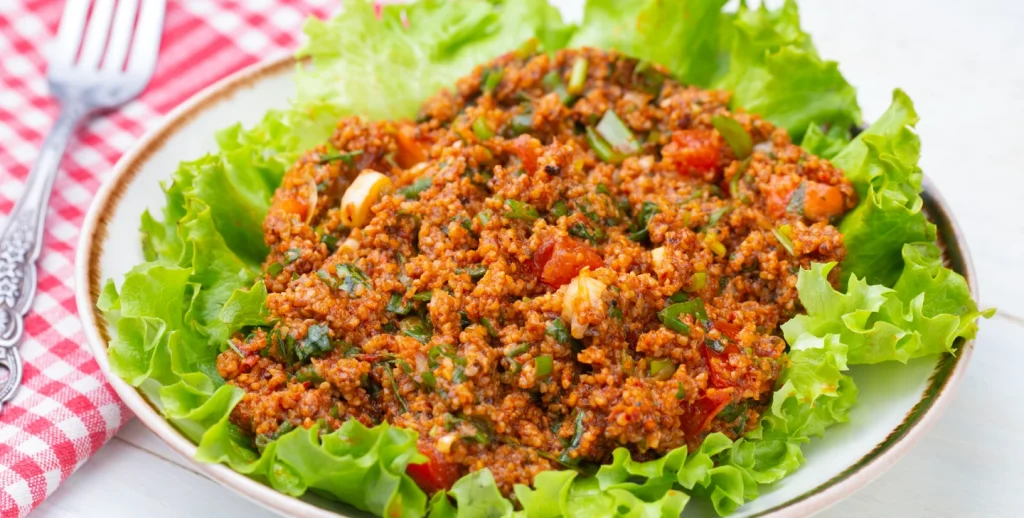
Kısır is one of the lightest and most nutritious cold dishes in Turkish cuisine. This delicacy, created by combining fine bulgur, fresh vegetables and olive oil sauce, is a favourite on tables at both lunch and dinner.
History
Kısır originates from the cuisine of Central Anatolia and Southeast Turkey. Served at collective events such as weddings, gatherings, and spring celebrations for centuries, kısır has become a symbol of hospitality and the culture of sharing.
How to Make It
Fine bulgur is lightly softened with hot water, then seasoned with olive oil, pomegranate molasses, and tomato paste. Fresh onions, parsley, mint, and chopped greens are added. Lemon juice and spices are used to balance the flavours.
Kısır Experience at the Buffet
Kısır is prepared with the freshest vegetables and high-quality olive oil. With its light texture, this appetiser is especially popular in the summer months and is served as a filling option alongside meat dishes or on its own.
Menemen: The Star of Breakfast Tables
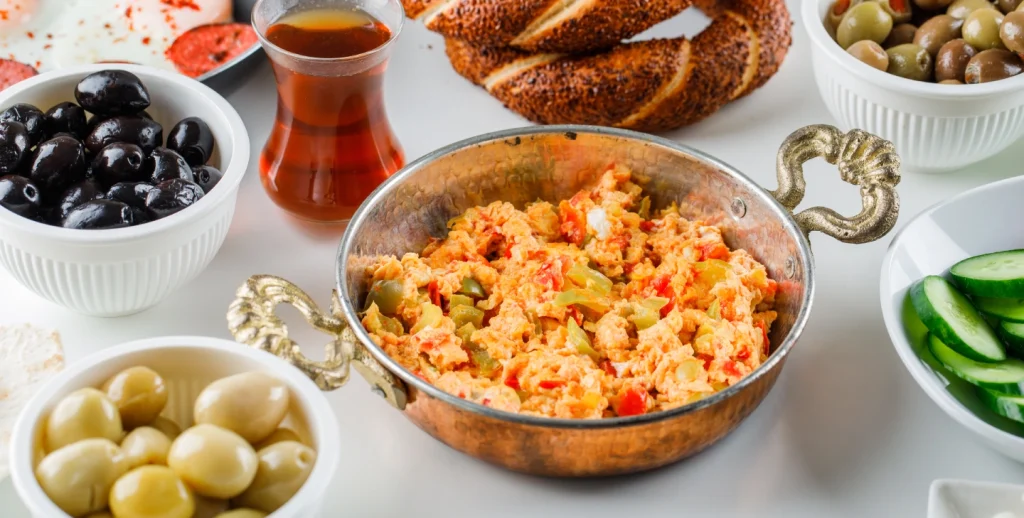
Menemen is one of Turkey’s most beloved dishes and the most popular choice for breakfast. It is not limited to breakfast, but is also served as a hot, practical and delicious alternative at any meal of the day.
History
The name Menemen comes from the district of Menemen in Izmir. Since the Ottoman period, it has been an integral part of breakfast culture, especially in the Aegean and Mediterranean regions. Cooking it with the freshest tomatoes and peppers gives the dish a regional character.
How to Make It
Sauté green peppers in olive oil, add chopped tomatoes, and cook over low heat. Then, beaten eggs are added and gently stirred. It can be enriched with salt, black pepper, and optional white cheese or cheddar cheese.
A Memorable Menemen Experience
Enjoy menemen every morning during your holiday with fresh tomatoes, peppers, and farm-fresh eggs. You will enjoy menemen made with or without onions, according to your taste.
The Secrets of Kısır and Menemen
The most important feature of both dishes is the use of fresh ingredients. Vegetables grown in Antalya’s fertile soils meet the rich aromas offered by the Mediterranean climate. Natural ingredients such as olive oil, pomegranate molasses and spices complete the flavour.
Tip for Kısır: The quality of the pomegranate molasses and the freshness of the greens determine the flavour of the dish.
Tip for Menemen: The water content of the tomatoes and the cooking time of the eggs are the most important factors in achieving the ideal consistency
When is it eaten?
Kısır: It is usually preferred as a light but filling option for lunch and dinner.
Menemen: It is an indispensable part of breakfast, but it can also be prepared as a practical main dish in the evening when you are tired.
Gastronomic Experience at Antalya Family Hotels
Antalya family hotels offer child-friendly and healthy menus that appeal to the palates of guests throughout their holiday. Kilikya Palace stands out with its rich buffet options that appeal to guests of all ages.
A holiday at Kilikya Palace Hotel is not just about the sea and sun; it is also an opportunity to discover the deep-rooted flavours of Turkish cuisine. The kısır and menemen served in our restaurants are the most authentic representatives of our culinary culture, passed down from generation to generation.
These flavours, combined with Antalya’s unique nature and Mediterranean hospitality, will leave an unforgettable impression on your holiday. If you want to prioritise both comfort and culinary pleasure during your holiday, be sure to try these two delicacies at Kilikya Palace’s buffet.
One of the most special desserts in Turkish cuisine, künefe is a traditional delicacy that has carried the traces of different cultures throughout history. Originating in the Middle East, künefe has gained a unique identity in cities such as Hatay, Gaziantep and Mersin. This dessert, which has been on tables for centuries, was also frequently preferred in the Ottoman palace kitchen.
Today, künefe is enjoyed throughout Turkey, offering dessert lovers both a cultural heritage and a unique flavour.
The Preparation of Künefe: A Meticulously Crafted Art
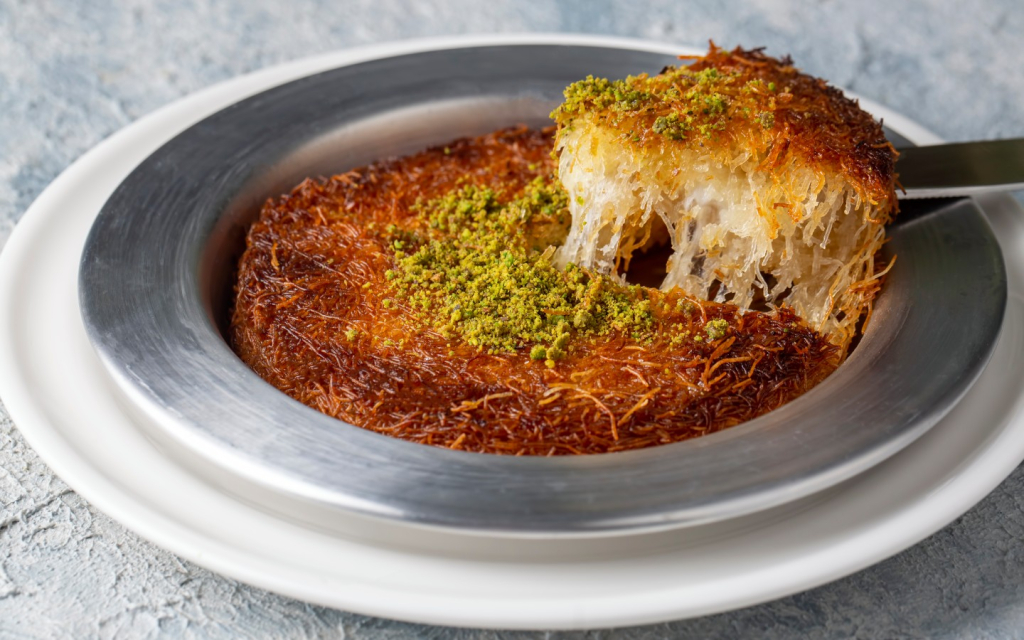
The preparation of künefe becomes a work of art in the hands of a master. The basic ingredients are shredded phyllo dough, unsalted cheese, syrup, and butter.
👉Wire kadayif is spread over a tray greased with butter.
👉A generous amount of unsalted cheese is added on top.
👉It is covered with a second layer of wire kadayif.
👉It is cooked in a copper tray over low heat.
👉After being drenched in syrup, it is garnished with pistachios.
The result is a warm, crispy dessert with the lingering flavour of cheese, leaving an unforgettable taste on the palate.
The Flavour of Künefe: Where Sweetness Meets Serenity
The most distinctive feature of künefe is the perfect balance between sweet and savoury. The sweetness of the syrup combines with the light saltiness of the cheese to create a unique harmony in the mouth. Moreover, serving it piping hot adds a special charm to the dessert.
After a lovely day on holiday, eating a warm künefe by the sea or in your hotel’s restaurant brings peace to both your soul and body. That’s why künefe is not just a dessert but also a source of happiness.
Enjoying Künefe on Holiday in Antalya
The good news for dessert lovers is that it’s very easy to experience this unique flavour while on holiday in Antalya. Many restaurants and hotels in the city offer delicious künefe made by master chefs.
For those wondering, ‘Which are the best hotels in Antalya?’, let us say: Kilikya Palace in the Kemer region, with its rich menu of flavours, stands out for both its comfortable holiday facilities and its rich cuisine. At Kilikya Palace, you can also find traditional Turkish desserts.
Furthermore, for those seeking answers to the question, ‘Which hotels in Antalya are suitable for holidays?’, Kilikya Palace Hotel offers holiday days immersed in nature and the sea, with options catering to different tastes, such as rooms with sea views, all-inclusive concepts, and rich world cuisines.
Unforgettable Memories on Holiday with Künefe
While enjoying the sun, sea, and nature during your holiday in Antalya, crowning your dinner with a warm künefe is a unique experience. Especially when shared with loved ones, the sweet treat becomes part of beautiful memories.
For many holidaymakers, künefe is not just a flavour but also a symbol of peace and happiness during their holiday.
Holidays in Antalya and Künefe
A cultural heritage, künefe is one of Anatolia’s most special desserts, touching not only the palate but also the heart. While holidaying in Antalya, be sure to experience this unique dessert offered by luxury hotels.
For holidaymakers seeking answers to both ‘Which are Antalya’s best hotels?’ and ‘Which hotels are suitable for holidays in Antalya?’, our recommendation is this: make your holiday unforgettable by savouring künefe in Antalya hotels where comfort, tranquillity and gastronomic pleasure come together.
After a day by the sea, your holiday will be even more delicious with a warm künefe.
Breakfast is considered one of the first and most important meals of the day and is celebrated in unique ways in different cultures around the world. The breakfast culture of each country is a reflection of the local cuisine, climate and lifestyle. Breakfast, which has been a centuries-old eating and drinking culture, has changed with the changing times in every community.
After World War II, with the increase in the number of factory workers, the increasing urban population caused a change in breakfast culture. As a result of long working hours, the energy deficit to be taken daily has increased, so the varieties consumed at breakfast have also increased.
The importance of breakfast worldwide has increased day by day. People who have breakfast every day have both a healthy body and a pleasant social activity with their close environment.
Starting the Day with Energy: Breakfast fills the stomach after an overnight fast and boosts the body’s energy levels. It is especially important for providing the energy needed throughout the day after a long period without eating. A balanced breakfast helps maintain alertness and improve concentration.
Speeds Up Metabolism: Breakfast boosts metabolism, allowing the body to burn more calories throughout the day. Therefore, skipping breakfast is generally not recommended for a healthy lifestyle.
A Cultural Routine: Breakfast is seen as a social event in many cultures. It is common for families or friends to gather for long and enjoyable breakfasts, especially on weekends.
A well-planned breakfast contains protein, fibre, healthy fats and carbohydrates. These nutrients provide most of the vitamins and minerals the body needs. Eggs, whole grain products, dairy products, vegetables and fruits are indispensable parts of breakfast. Eating breakfast is one of the cornerstones of a healthy lifestyle. It helps to regulate blood sugar levels, increase the ability to focus and provide a feeling of satiety for a long time.
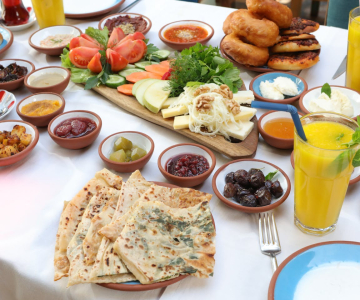
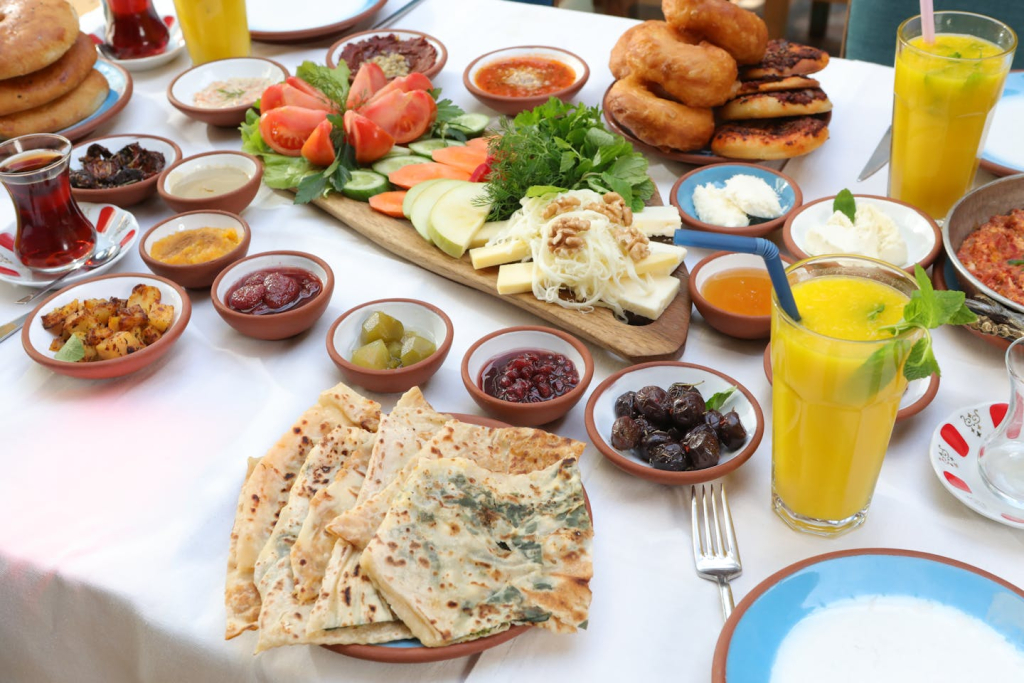
Turkey’s Secret to a Happy Start to the Day; Mixed (Serpme) Breakfast!
In the hustle and bustle of daily life, having a regular breakfast provides a sense of routine and security. Starting the day with a structured meal can lead to feeling better psychologically. Breakfast is seen as a way to begin the day positively. The taste of delicious foods, along with fresh coffee or tea, brings a sense of peace, positively affecting one’s mood. A slow and enjoyable breakfast helps people feel more content and at ease.
The term “kahvaltı” in Turkish, which means breakfast, originated during the Ottoman era. It was used to describe snacks consumed before drinking coffee in the morning, combining the words for coffee (“kahve”) and under/before (“altı”). Thus, “kahve altı” referred to “before coffee.”
Breakfast has been an integral part of Turkish cuisine for centuries, serving as an opportunity for families to start their day together. Across Turkey, certain staple ingredients form the basic foundation of breakfast, reflecting local traditions. Breakfast tables also provide an opportunity to showcase local products. Organic honey, homemade jams, local cheeses, and fresh bread are offered, promoting these goods and providing economic benefits.
In Turkey, the mixed style of breakfast is particularly popular. It is usually enjoyed over prolonged periods, especially on weekends, encouraging hospitality, sharing, and extended conversations.
The word “mixed” signifies the scattering or spreading of a wide variety of dishes across the breakfast table. This style of serving involves offering numerous small portions of different foods, allowing everyone to choose according to their taste preferences.
Generally, cheese types (white cheese, cheddar cheese, tulum cheese), olive types (black, green, spicy), fresh vegetables (tomato, cucumber, pepper), honey, clotted cream, jam types, butter, various delicatessen products (sucuk, pastrami) and eggs (Menemen, fried eggs, omelettes), pastries, bagels, pastries and fresh bread varieties are available. While the honey-cream duo is a very popular choice for dessert, chocolate paste or fruit jams are also frequently served.
Tea is an indispensable part of the mixed breakfast, served continuously in small, tulip-shaped glasses. When the tea runs out, a fresh pot is promptly brewed, facilitating prolonged sitting and chatting.
Mixed Breakfast is a social event where families, friends, or large groups gather to enjoy a leisurely time together. Especially during weekends and holidays, it becomes a long, conversation-filled affair. In rural areas or villages, such breakfasts offer distinct flavors through the use of natural products like village butter, homemade jams, village bread, and organic eggs.
Mixed Breakfast Shows Richness and Diversity According to Regions of Turkey!
Each region brings its own local products and cuisine to the breakfast table, which increases the richness of the mixed breakfast. Here are the characteristics of mixed breakfasts served in various regions of Turkey:
Aegean Region
Olives and Olive Oil: Indispensable for Aegean breakfasts are olive varieties and appetisers with olive oil. Green and black olives, olive oil flavoured with thyme, fresh vegetables such as tomatoes and cucumbers are always present on the table.
Herbed Cheeses and Herbs: Local tulum cheese and curd cheese, as well as the famous herbs of the Aegean region (radicchio, rocket, nettle) are on the breakfast table.
Homemade Jams and Honey: Homemade jams and honey also have an important place in Aegean cuisine. Especially jams made from fruits such as tangerines, figs and grapes are highly preferred.
Warm Aegean Bread and Bagels: Warm breads, bagels and buns with plenty of sesame seeds accompany breakfast.
Black Sea Region
Mıhlama (Kuymak): The most famous flavour of the Black Sea mixed breakfasts, mihlama is prepared with melted cheese, butter and corn flour. This dish, full of warm and stretching cheeses, is especially warming on cold days.
Butter and Cheese Types: Local butter, local cheese varieties such as minzi (cottage cheese) and kolot cheese are indispensable for breakfast.
Corn Bread and Fresh Pita: Corn bread is frequently included in Black Sea breakfasts. Warm pita bread is also served with it.
Roasting with Egg: Roasted meat mixed with egg is especially rich in protein.
Eastern Anatolia Region
Kavut and Tandır Bread: In Eastern Anatolia, foods made with roasted wheat flour called kavut and bread varieties baked in tandoor are frequently seen at breakfast.
Cheese Types: Special cheeses such as Erzincan tulum and Kars gruyere stand out on the table. These cheeses are very famous due to the cold climate and animal husbandry culture of the region.
Cream and Honey: Natural highland honey and homemade clotted cream are among the sweet flavours of breakfast in this region.
Pastrami and Sucuk: Breakfasts in this vast geography stretching from Erzurum to Kayseri are enriched with quality sausages and pastrami.
Southeastern Anatolia Region
Katmer and Pastry Types: Katmer, pancakes and various pastries stand out in Southeastern breakfasts. Especially antep katmer is prepared with clotted cream, pistachio and sherbet and served as a sweet breakfast.
Menengiç Coffee and Tea: Menengiç coffee, one of the special drinks of the region, is served with breakfast. Of course, tea is also a must.
Acuka and Zahter: Spicy and paste flavours such as acuka (a paste with walnuts and peppers) and zahter (a type of thyme) add a different taste to breakfast.
Cheese and Olive Varieties: Curd cheeses, tulum cheese and local olive varieties are frequently found in the mixed breakfasts of Southeastern Anatolia.
Mediterranean Region
Olive Varieties and Olive Oil: Thanks to the fertile soils of the Mediterranean, olive varieties and high quality olive oils are widely used for breakfast.
Greens and Fresh Vegetables: Fresh greens such as tomatoes, cucumbers, peppers, mint and parsley are a colourful and healthy part of the table.
Cheese Pies and Pancakes: Yufka bread, cheese pies and pancakes are frequently included in Mediterranean breakfast.
Citrus Jams: Jams made from citrus fruits such as orange, tangerine and lemon form the sweet side of breakfast.
Central Anatolia Region
Pastrami and Sucuk: Kayseri’s famous pastrami and sausage have an important place in the mixed breakfasts of Central Anatolia. It is usually served with egg.
Cream and Honey: Fresh clotted cream, natural honey and molasses varieties are frequently found on breakfast tables in this region.
Village Cheese and Tulum Cheese: Local cheese varieties are served with fresh bread and pita bread.
Bread Types: Local bread types such as phyllo bread, flatbread and tandoori bread stand out in Central Anatolian breakfasts.
Marmara Region
Delicatessen Products: Breakfast tables in Istanbul, Edirne and other Marmara provinces are usually full of delicatessen products. Varieties such as salami, sausage, bacon are frequently found.
Various Cheeses: Various cheeses such as feta cheese, cheddar cheese, cream cheese take place on breakfast tables in the Marmara region.
Fresh Bread and Bagels: Different types of bread such as Istanbul bagel, rye bread and baguette are also served on the tables.
Homemade Jams: Jam varieties from different regions of Marmara add flavour to the breakfast.
Mixed breakfast is a culture enriched with local flavours all around Turkey. Each region brings its own local products and traditions to these tables, making breakfast not only a meal but also a cultural experience.